Quick facts: Dominant palette — warm neutrals (sandy beige, travertine, linen) with selective black or dark-metal contrast · Materials trending up — natural stone, rattan, jute, European oak, handcrafted ceramics · Furniture silhouette — curved and organic replacing sharp angles · Cross-cutting theme — indoor-outdoor continuity and made-to-measure pieces.
Every January brings a fresh crop of "trends" lists, and most of them are recycled. This year's interior design conversation in Marbella is genuinely worth paying attention to, though, because the shift showing up across local studios, showrooms, and property reports is consistent enough to actually plan a renovation around: a move toward warm minimalism, softer furniture silhouettes, and a tighter blur between indoor and outdoor living space. Here's what's real in that conversation, and what it should mean if you're planning work on your own villa or apartment this year.
Warm minimalism is reshaping interior design in Marbella
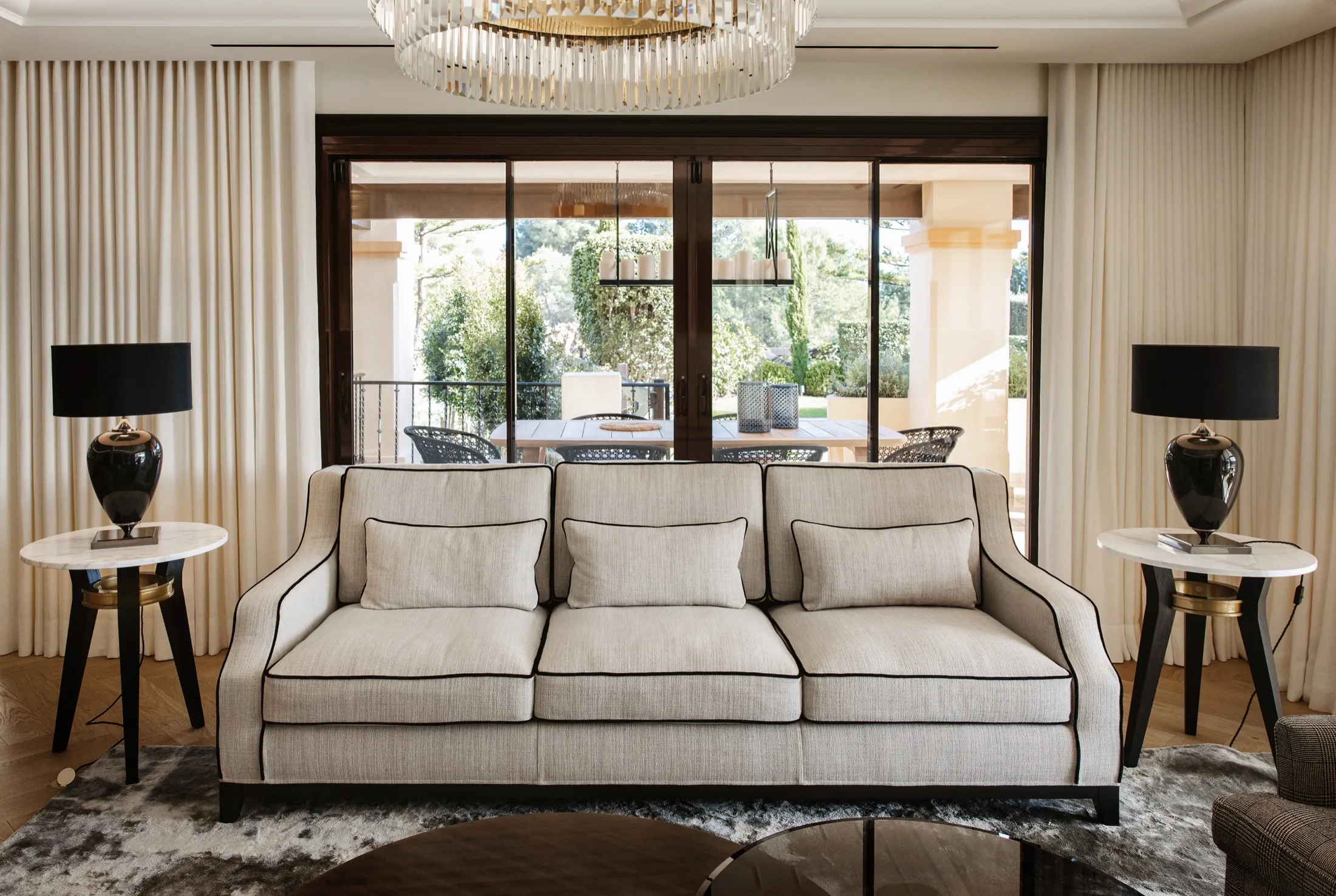
The minimalist look that dominated Marbella homes for the past decade was often cool and pared-back — white walls, glass, hard edges. What's replacing it keeps the clean lines but drops the coolness: sandy beige walls, linen upholstery, textured plaster, and soft ambient lighting layered instead of a single overhead source. The read is still uncluttered, but it feels inhabited rather than clinical. For a renovation, that mostly changes your materials palette and lighting plan more than your floor plan — it's a finishes-and-fixtures shift, not a structural one.
Curved furniture and softer architecture
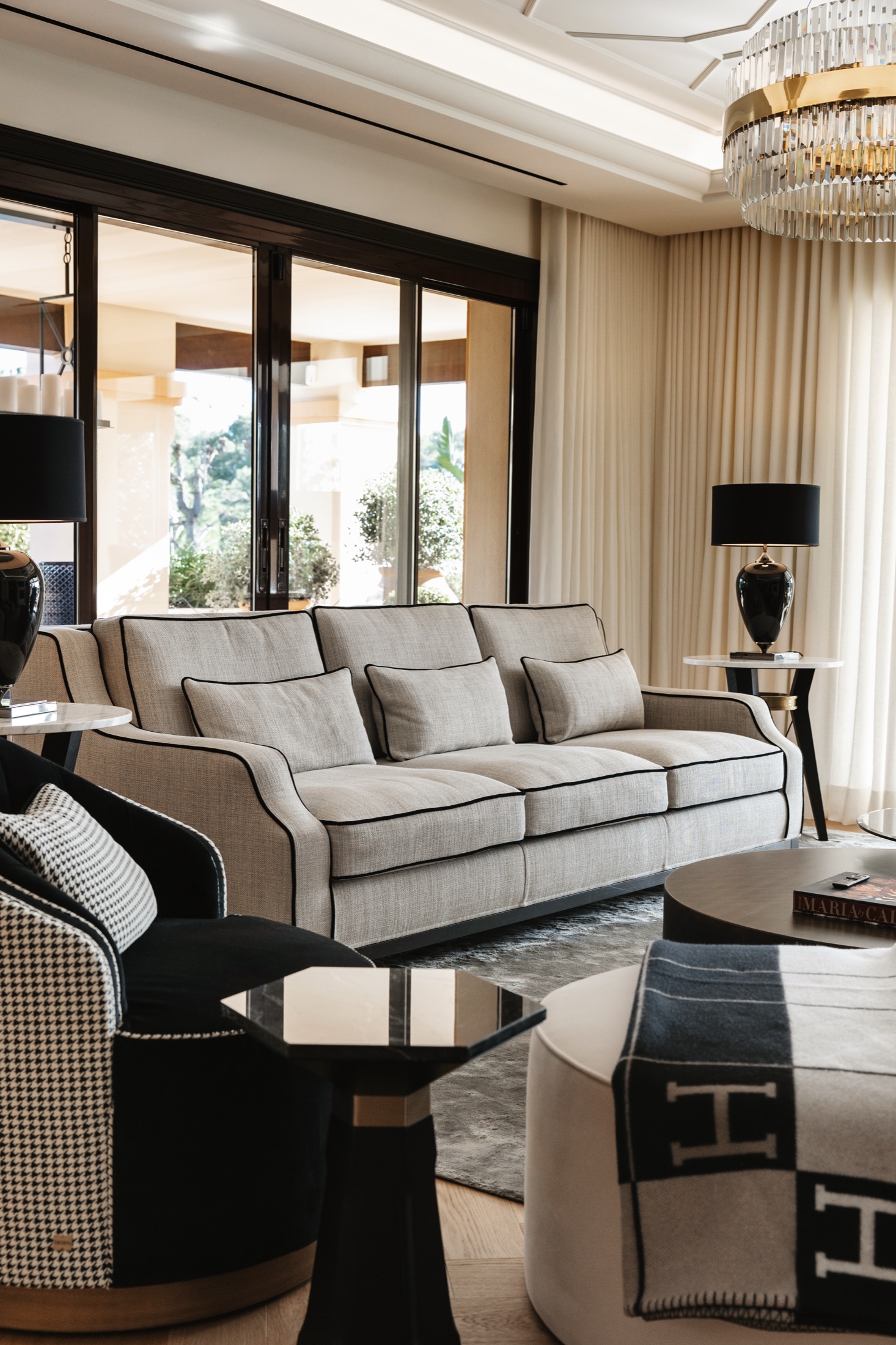
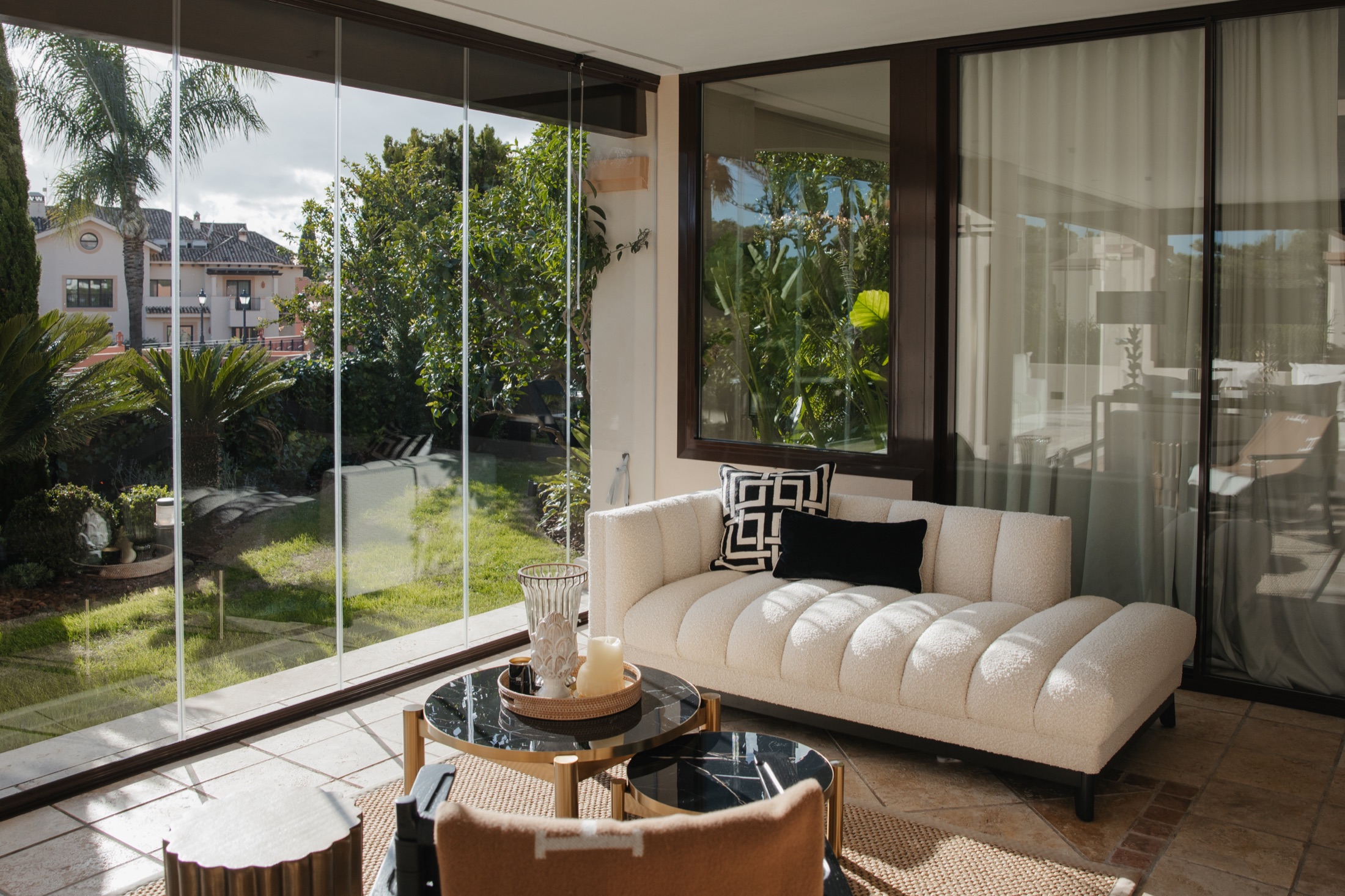
Sofas with rounded arms, arched mirrors, circular rugs, and sculptural chairs are showing up across Costa del Sol interiors specifically because they contrast well with the sharp, angular architecture common in the area's villas — most of which lean modernist, all glass and hard lines. A few curved pieces placed deliberately soften a room without fighting the architecture. If you're furnishing rather than gutting a space, this is one of the lower-cost, highest-impact trends to act on: it's a furniture decision, not a construction one.
Natural materials, done with restraint
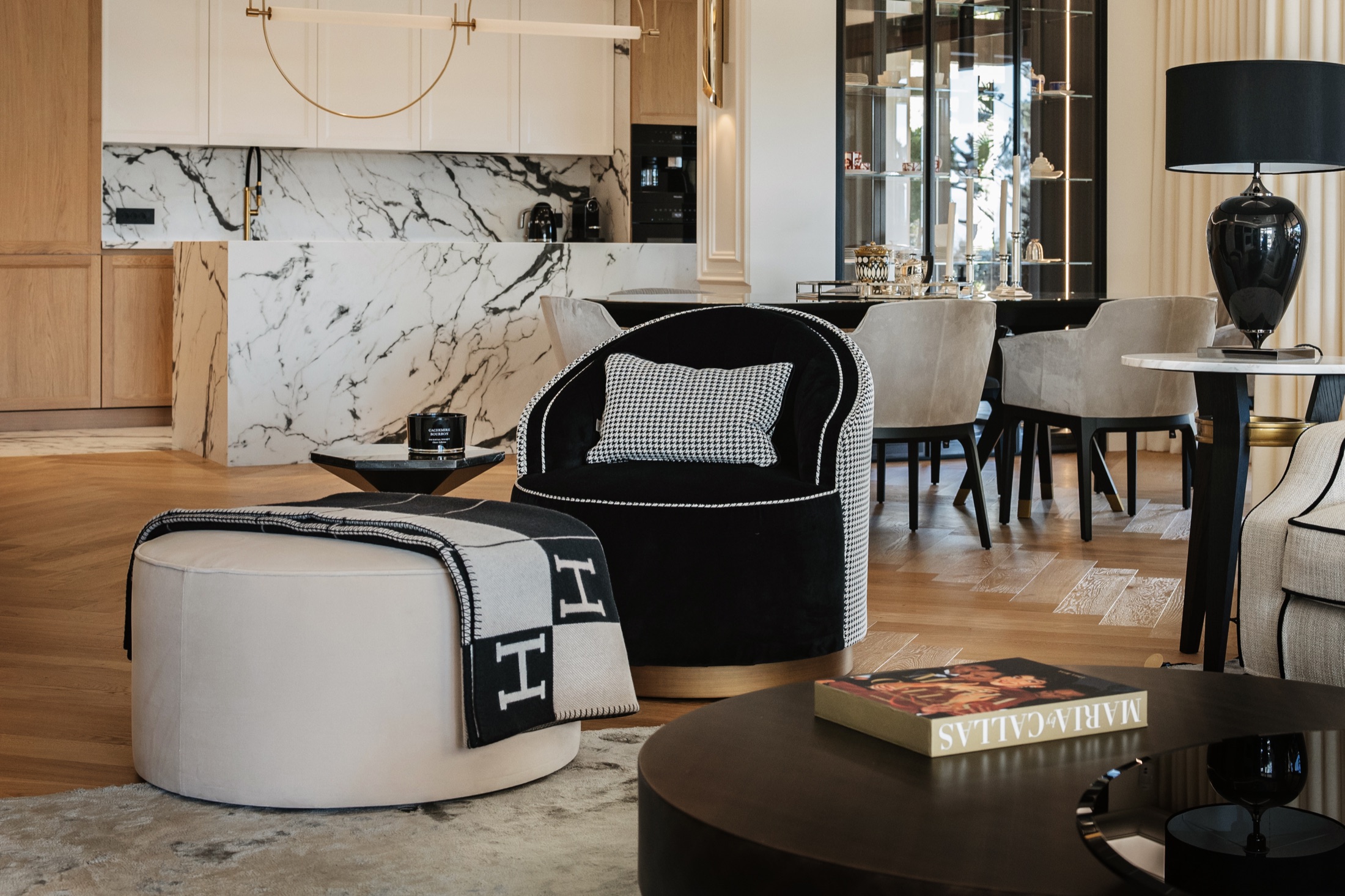
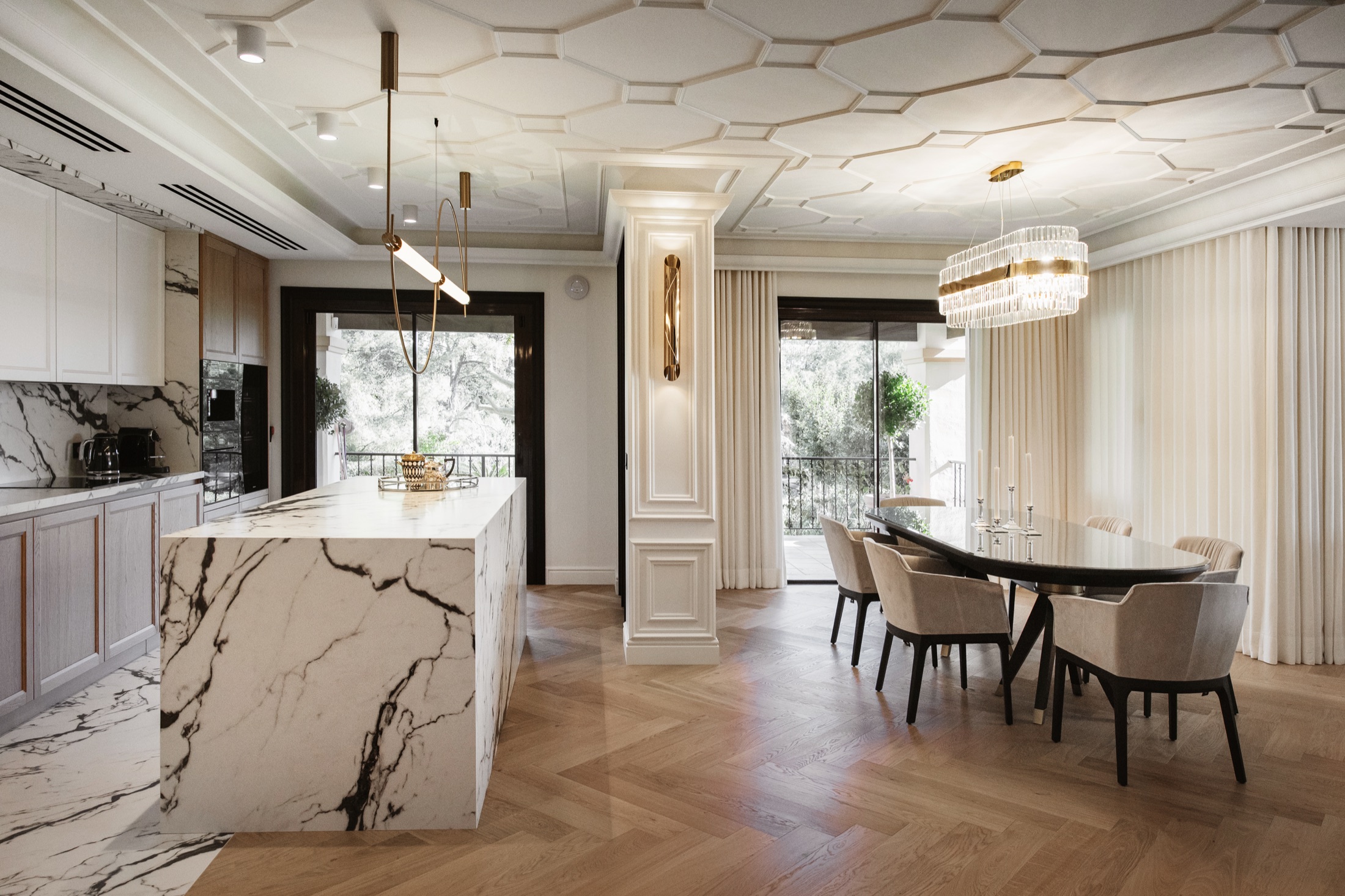
Travertine, rattan, jute, European oak flooring, and handcrafted ceramic or clay finishes are the materials doing the most work this year, echoing Mediterranean building traditions rather than importing a look from elsewhere. The trend sits alongside a genuine push toward sustainability — reclaimed wood, artisanal pieces, and energy-efficient fixtures showing up more often in renovation specs, not just in showroom mood boards. Used well, these materials read as luxury because they're tactile and specific, not because they're expensive.
High-contrast accents on a neutral base
A smaller but noticeable trend: black or dark-metal accents — door frames, cabinetry hardware, lighting fixtures — layered onto an otherwise warm, neutral palette. It's a controlled way to add architectural structure to a bright Mediterranean interior without losing the warmth. Worth discussing with your interior designer early, since it usually touches joinery and hardware specs decided during the technical phase, not just the styling pass at the end.
Indoor-outdoor living, still the constant
This one isn't new, but it keeps intensifying: large sliding glass walls, natural stone flooring that runs from interior rooms straight onto the terrace, and outdoor-grade fabrics used indoors for durability. Given the climate, it's less a "trend" than a standing requirement for any serious home renovation on the coast — but 2026's version leans further into using the same materials on both sides of the glass, rather than treating indoor and outdoor as separate design problems.
Made-to-measure over off-the-shelf
Across nearly every source covering home design in Marbella this year, personalization keeps surfacing as the actual differentiator — bespoke cabinetry, custom wardrobes, made-to-measure furniture built for a specific room rather than bought to fit one. That's consistent with what we see client-side: as branded, template-driven developments multiply along the coast, custom furnishing is becoming the clearer way to make a residence feel distinct rather than assembled from a catalogue.
What this means if you're planning a renovation this year
None of these trends require a full renovation to adopt — a materials and lighting refresh can bring a home most of the way there. But if you are planning structural work, it's worth sequencing these decisions properly: palette and hardware finishes early enough to inform joinery, indoor-outdoor material continuity decided before flooring is ordered, and custom furniture briefed early enough that it isn't a rushed afterthought once construction wraps. Our recent look at interior design in La Zagaleta walks through how that sequencing plays out on a real project.
If you're planning a refresh or a full renovation and want a read on which of this year's trends actually suit your property, get in touch with our interior design team in Marbella — we can help you build a materials and furnishing plan around what will hold up over time, not just what's trending in January.