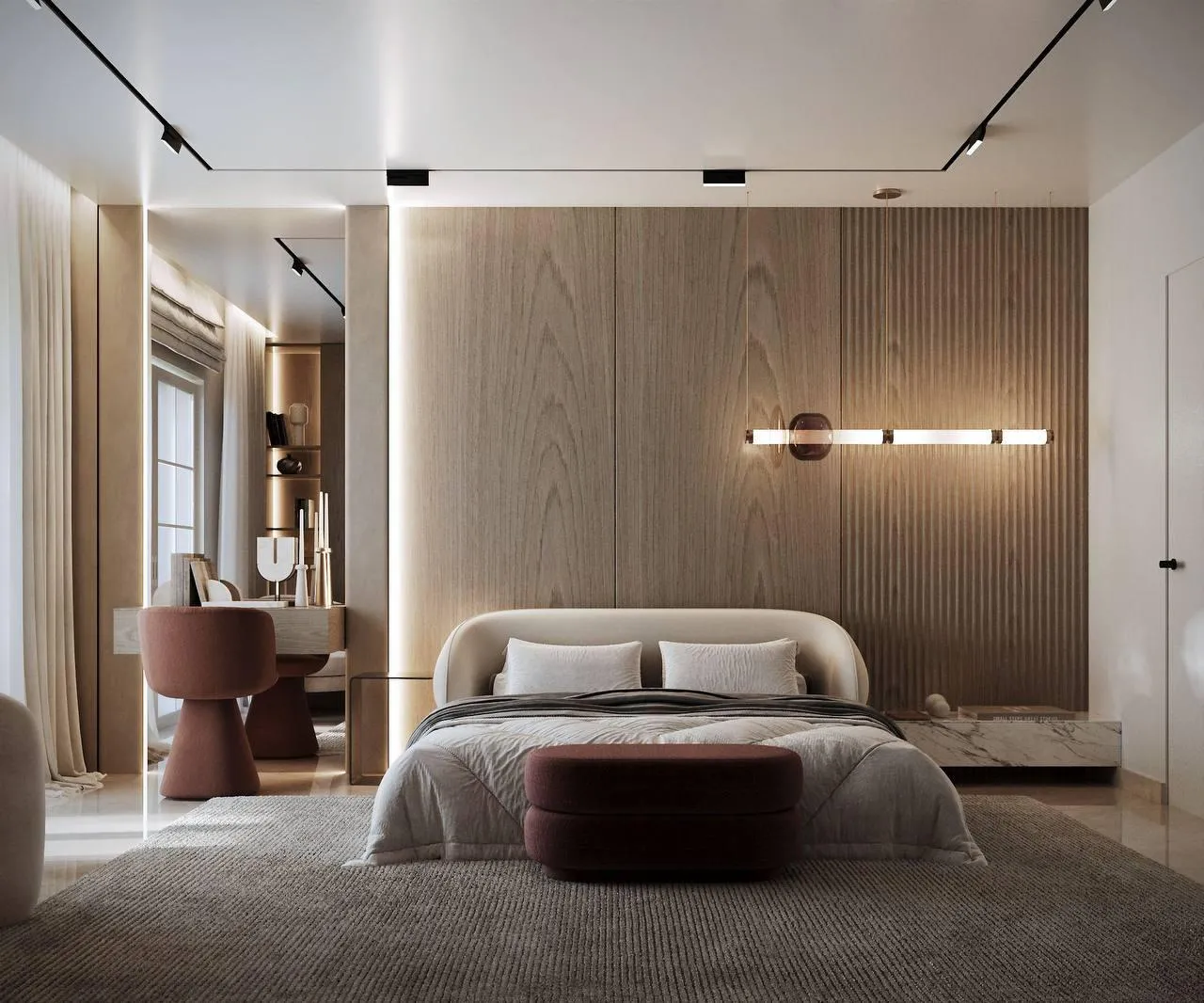
If you are searching for the cost of turnkey interior design in Marbella, you have probably already noticed the problem: almost no one gives you a straight answer. Studios reply with "it depends," developers send you to a contractor, and the contractor sends you back to the designer. Meanwhile, the one question you actually want answered — what am I paying for, and how do I keep it under control? — goes unaddressed.
This guide answers exactly that. We won't quote a price because any honest figure depends entirely on your property, your finishes, and your scope — and a number pulled from the internet would mislead you more than help you. Instead, we'll explain what really goes into the cost of a turnkey interior design project in Marbella, why the "turnkey" model usually costs less than managing everything yourself, and the questions that separate a transparent quote from a vague one.
By the end, you'll understand your budget well enough to have a confident conversation with any studio — including ours.
What "Turnkey" Actually Means
The word "turnkey" is used loosely in Marbella, so it's worth being precise. A genuine turnkey interior project means a single company takes responsibility for the entire journey — from the first concept drawing to the moment you walk in and everything, down to the cushions on the sofa, is finished and in place.
That includes design, technical documentation, sourcing and procurement, custom elements, installation, and on-site supervision. One contract. One point of accountability. You are not coordinating an architect, a builder, a furniture showroom, and a lighting supplier across different schedules and invoices — the studio does that for you.
This distinction matters for cost more than almost anything else, and we'll come back to why.
The Real Components of a Turnkey Interior Design Budget
When you receive a turnkey proposal, the figure is never one lump sum for "design." It's a combination of distinct work packages. Understanding them is what lets you compare quotes intelligently and spot where money is genuinely going.
1. Design and Technical Documentation
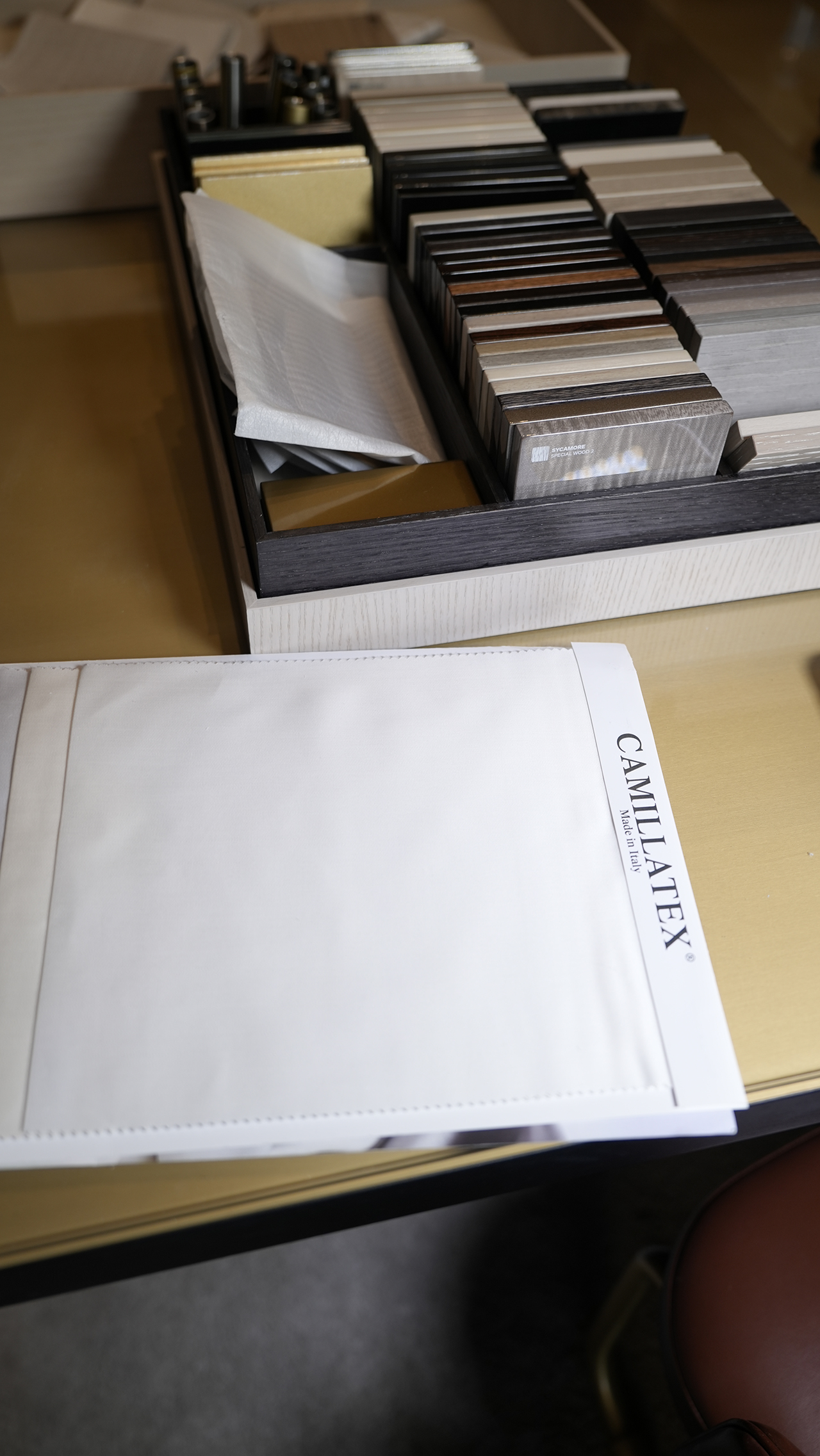
This is the foundation of everything that follows. It covers the full interior concept tailored to your lifestyle or your development's positioning, plus the technical drawings that make the concept buildable: furniture layouts, lighting plans, HVAC and electrical schemes, 3D visualisations, and complete material specifications.
Strong documentation is not where you save money — it's where you protect it. A precise specification means fewer surprises on site, fewer "we didn't account for that" moments, and a result that matches the visualisation you approved. Vague drawings are the single most common reason budgets drift.
2. Materials and Finishes
Flooring, wall finishes, tiling, stone, joinery surfaces, textiles. The range here is enormous, and it is the biggest single variable in any interior budget. The same room can be finished to very different standards, and the choice of materials — not the square meters — is usually what moves the number most.
This is also where access matters. A studio that works directly with manufacturers can offer you the genuine article at dealer terms rather than retail mark-up. Working with more than 50 European factories means the materials and finishes come from source — originals with the manufacturer's guarantee, not approximations.
3. Furniture, Lighting, and Décor
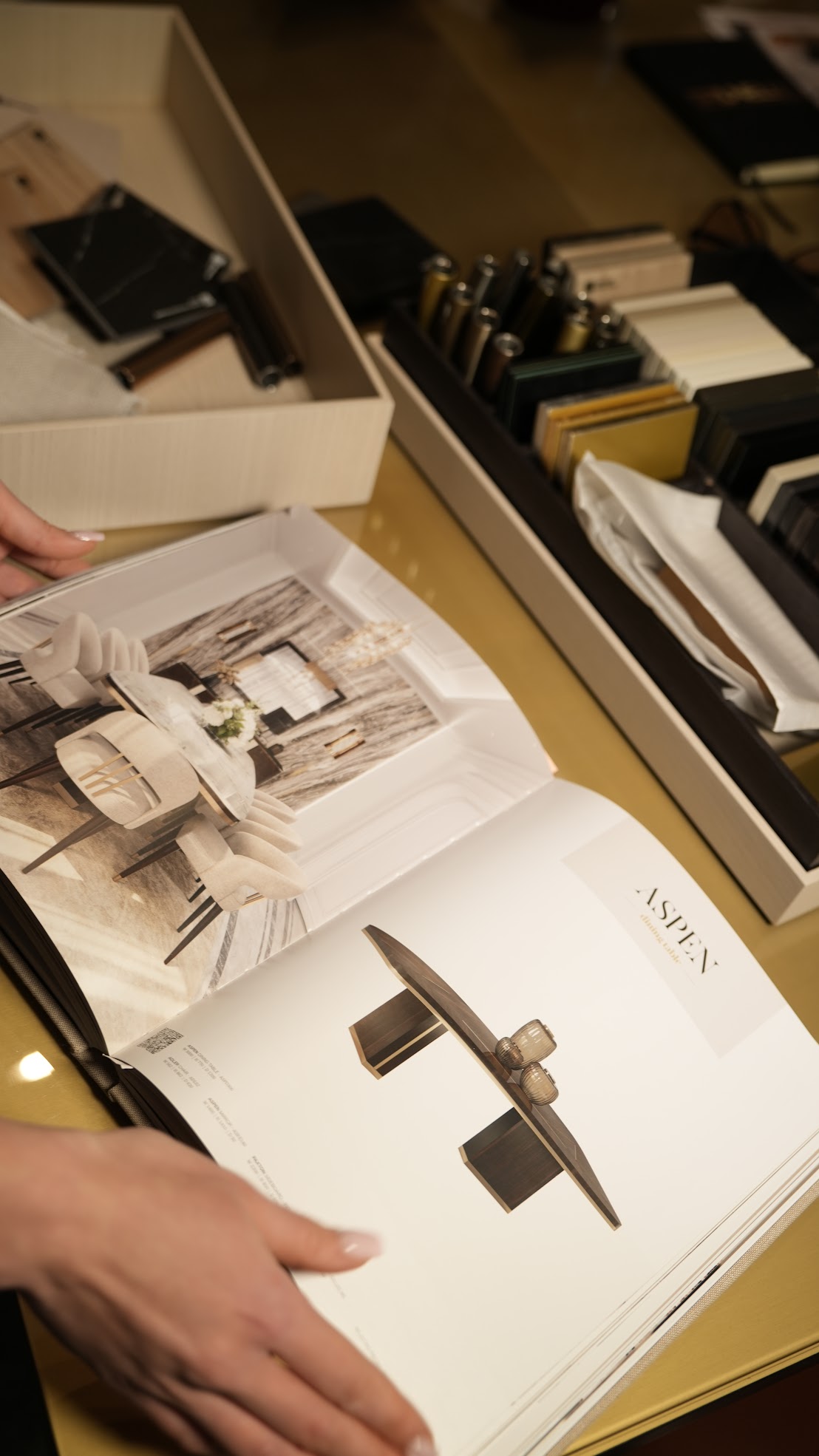
The furnishing layer is where a house becomes a home, and where budgets vary most by taste. Curated packages can be tailored to your unit typology and your priorities — investing in statement pieces where they matter and being efficient elsewhere.
Again, sourcing changes the equation. Buying through a studio that is an official dealer of leading Italian, Spanish, and European brands means you pay for the piece, not for layers of intermediaries. The larger and more coordinated the order, the more favourable the terms tend to be.
4. Custom Furniture Production
This is the component most people don't anticipate — and the one that often makes the difference between "almost right" and "exactly as imagined." Not every space is served by what's available on the market. Bespoke kitchens, walk-in closets, built-in storage shaped to the exact dimensions of your room, concealed doors with exclusive finishes — these are made to your space, not adapted to it.
When custom furniture is produced in-house rather than outsourced, two things happen to your budget: lead times shorten, and quality control stays under one roof. You're not paying a middleman to manage a workshop you can't see.
5. Installation and On-Site Supervision
A beautiful design on paper is worthless if it's executed badly. This package covers the physical realisation — delivery, assembly, installation — and, critically, author's supervision: the designers who created the concept being present on site to ensure it is realised faithfully, catching issues before they become expensive problems.
This is the quiet line item that protects every other line item. It's the difference between a render that becomes reality and a render that becomes a disappointment.
6. Construction and Engineering (When Required)
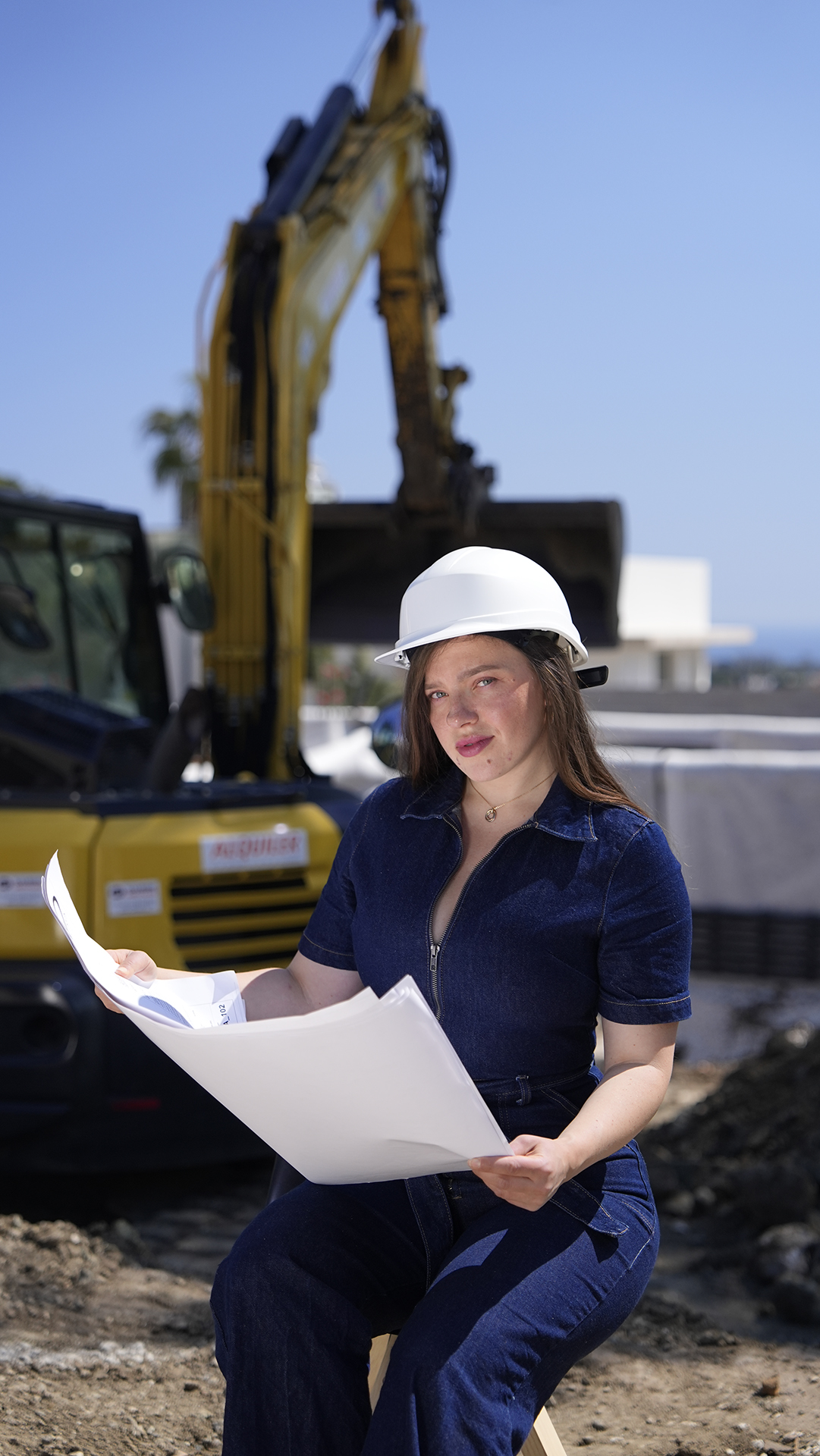
Many Marbella interiors begin with a property that needs more than decoration — renovation, reconfiguration, or full structural work. When that's the case, foundations, monolithic structures, roofing, facades, and complete engineering systems (water, ventilation, air conditioning, electrical) become part of the scope, delivered to European standards.
Whether your project needs this layer depends entirely on the condition of your property — which is precisely why no honest figure can exist before someone has seen it.
Why Turnkey Usually Costs Less Than Managing It Yourself
It seems counterintuitive that handing everything to one company would be more economical than hiring each specialist directly. In Marbella, it usually is — and here's why.
Coordination has a cost, and it's usually hidden. When you manage separate suppliers, you absorb the gaps between them: the designer's plan that the builder interprets differently, the furniture that arrives before the floor is ready, the weeks lost while three parties wait on each other. Every gap is time, and time is money. A single accountable team eliminates those gaps by design.
Buying power is consolidated. A studio placing large, regular orders across furniture, lighting, and finishes negotiates terms an individual client never could. Those dealer terms offset a meaningful part of the project.
Mistakes are caught earlier. When the people who designed it also supervise its execution, errors are corrected on site — not discovered after installation, when fixing them means tearing out finished work.
One contract means one set of guarantees. No finger-pointing between trades when something needs addressing. Responsibility sits in one place.
This is the logic behind a fully integrated model — a group of specialist companies spanning architecture, interior design, fit-out, and custom furniture manufacture, united under one roof. You can see how it plays out across real projects in our portfolio of completed work, from a beachside residence at Urbanización Puente Romano to a 645 m² villa in the exclusive estate of La Zagaleta.
What Actually Drives Your Final Budget
Two projects of identical size can differ enormously in cost. These are the real variables — none of which can be assumed in advance:
- The condition of the property. A new apartment needing only fit-out is a different project from a villa requiring structural renovation.
- The level of finish. "High quality," "high-end," and "bespoke luxury" are genuinely different standards, and the choice cascades through every material decision.
- The proportion of custom elements. The more bespoke pieces, the more value — and the more the budget reflects craftsmanship over catalogue.
- The size and layout. Larger footprints and complex layouts naturally carry more, but rarely in a simple linear way.
- Your timeline. Compressed schedules and phased delivery each carry their own implications.
This is why a responsible studio won't hand you a number before understanding your project. A figure given blind is either a guess or a hook — and neither serves you.
How to Read a Turnkey Quote (And Spot a Vague One)
When you compare proposals, the quality of the breakdown tells you more than the bottom line. Ask:
- Is the quote itemised by work package, or is it one opaque figure?
- Does it specify materials and brands, or use placeholder language?
- Does it include on-site supervision, or does that appear later as an extra?
- Are custom elements priced, or noted as "to be confirmed"?
- Is there a defined process from brief to handover, with timelines?
A transparent studio welcomes these questions. A vague one deflects them. The clarity of the answer is itself a preview of how the project will run.
Get a Real Figure for Your Project
There is no honest shortcut to a number — but there is a fast, free way to get one grounded in your actual property.
We offer a complimentary 30-minute consultation with a specialist — a designer, an architect, or a furnishing expert — depending on what your project needs. You'll get a clear sense of scope, an understanding of what your budget should prioritise, and straight answers to your questions. No obligation, online or in person.
It's the most reliable way to replace a guessed figure with a real one. Book your consultation here, or visit our showroom at Puerto Banús to see the materials, finishes, and craftsmanship in person.
Frequently Asked Questions
What is included in turnkey interior design in Marbella?
A genuine turnkey service includes the full interior concept and technical documentation, materials and finishes, furniture and lighting, custom-made elements, installation, and on-site supervision — and, when the property requires it, construction and engineering work. Everything is delivered under a single contract with one point of accountability, from first sketch to final installation.
Is turnkey interior design more expensive than hiring separately?
Usually it's the opposite. A single accountable team removes the hidden costs of coordinating multiple suppliers — delays, mismatched schedules, and errors caught too late — and consolidates buying power into dealer terms an individual client can't access. The result is typically better budget control, not a higher price.
What affects the cost of an interior design project most?
The biggest variables are the condition of the property, the level of finish chosen, the proportion of custom elements, the size and layout, and the timeline. Material and finish selection — not square meters alone — is often the single largest driver.
Why won't studios give a price upfront?
Because an honest figure depends entirely on your specific property, scope, and finishes. A number given before anyone has assessed your project is either a guess or a sales hook. A reputable studio provides a scoped estimate after understanding what you actually need — which is what a consultation is for.
Does turnkey interior design include construction?
It can. When a project requires renovation, reconfiguration, or structural work, a fully integrated holding can deliver foundations, engineering systems, and building work to European standards as part of the same contract — so design and construction stay under one roof rather than split between separate companies.
How do I get an accurate estimate for my Marbella project?
The fastest route is a free 30-minute consultation with a specialist who can assess your property and scope. You'll receive a clear understanding of what drives your budget and where to prioritise — replacing guesswork with a figure grounded in your actual project.